
Imam Abu Hamid Al-Ghazali (1058–1111 CE) was a renowned Islamic scholar, philosopher, jurist, and Sufi mystic. Often called “Hujjat al-Islam” (The Proof of Islam), he is considered one of the most influential thinkers in Islamic history. His works bridged the gap between traditional Islamic sciences and spiritual purification.
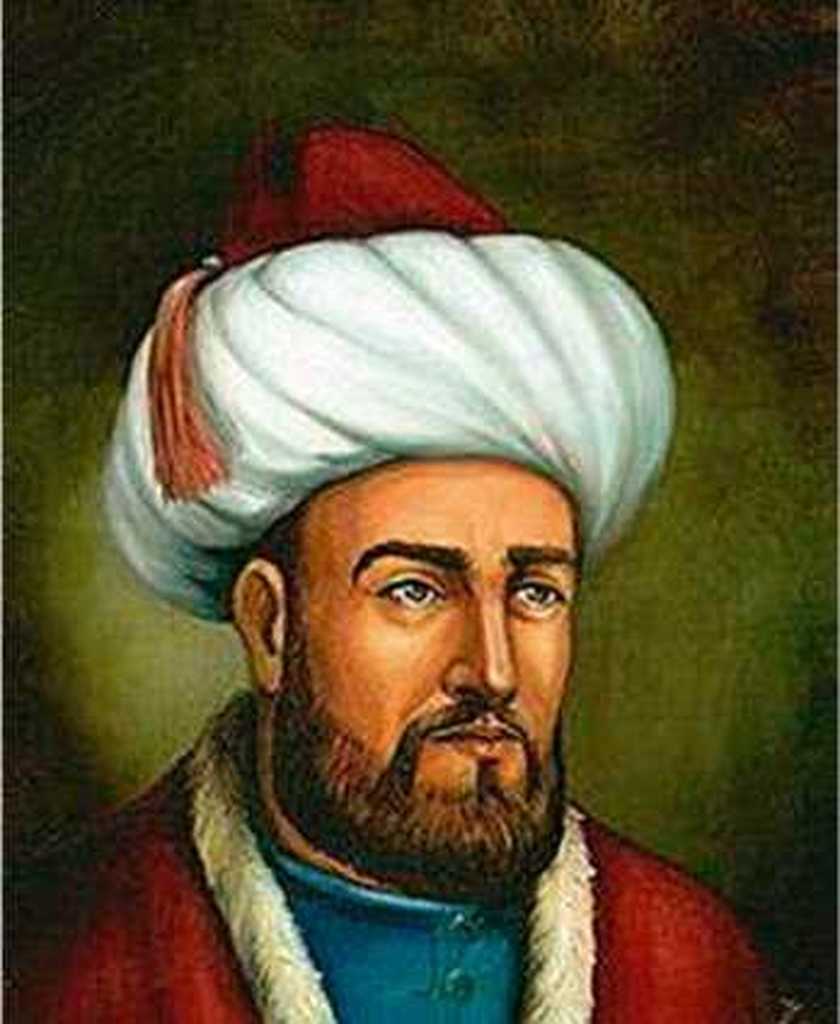
👤 Early Life and Education of Imam Al-Ghazali
Imam Al-Ghazali was born in Tus, Khorasan (modern-day Iran) in 1058 CE. Orphaned at a young age, he pursued Islamic education under renowned scholars of the time.
🧠 Imam Ghazali’s Personality: Intellect Meets Spirituality
Imam Al-Ghazali was known for his sharp intellect, deep reflection, and restless soul. “However, he was unsatisfied spiritually.” This internal conflict led him to leave his post and embark on a journey of self-discovery and spiritual purification.
🌄 The Spiritual Crisis and Transformation of Imam Al-Ghazali
In 1095 CE, at the peak of his academic career, Al-Ghazali experienced a deep spiritual crisis. He abandoned his position, wealth, and fame, and went into seclusion for nearly a decade.
During this time, notably, he:
Practiced Sufism
- Traveled to Damascus, Jerusalem, Mecca, and Medina
- Dedicated himself to worship, self-purification, and writing
This journey resulted in the transformation of Al-Ghazali from a legalistic scholar to a spiritual reformer.
📖 Major Works of Imam Al-Ghazali
He authored over 70 books, covering Islamic law, philosophy, logic, spirituality, and ethics.
Most Famous Books:
- Ihya Ulum al-Din (Revival of Religious Sciences)
- His magnum opus that covers every aspect of Islamic life — from worship to social conduct to purifying the heart.
- Tahafut al-Falasifa (The Incoherence of the Philosophers)
- “A critical critique of Greek-influenced Islamic philosophy, particularly focusing on Ibn Sina and Al-Farabi.”
- Al-Munqidh min al-Dalal (Deliverance from Error)
- An autobiographical account of his spiritual journey.
🧭 Al-Ghazali’s Philosophy and Teachings
Imam Al-Ghazali believed that true knowledge must combine reason with spiritual insight.
Core Teachings:
- Tazkiyah (Purification of the Soul) is essential for closeness to Allah.
- Rational knowledge is valuable but must be grounded in faith.
- Sufism, when in line with the Quran and Sunnah, is a legitimate path.
- Ethics and inner sincerity are more important than outward rituals alone.
🌍 Global Influence and Legacy
Imam Al-Ghazali’s influence goes beyond the Muslim world. Western philosophers like Thomas Aquinas studied his works, and his writings are still taught in religious and academic institutions today.
His Legacy Includes:
- Reconciliation between Shariah and Sufism
- Reviving Islamic spirituality in an age of materialism
- Being a role model of intellectual humility and spiritual sincerity
“Knowledge without action is wastefulness, and action without knowledge is foolishness.” – Imam Al-Ghazali
🧵 Conclusion:
In a time when the world is divided between cold intellectualism and spiritual confusion, Imam Al-Ghazali offers a balanced path — one where knowledge, heart, and faith come together. His personality reflects deep sincerity, relentless pursuit of truth, and a desire to reform the soul and society. read more
3 responses to “Imam Al-Ghazali”
[…] The history of Fatima Jinnah is deeply intertwined with the birth of Pakistan and its early challenges. As a dental surgeon, political leader, and advocate for democracy, she broke countless barriers in a male-dominated society. Today, she remains a timeless symbol of strength, patriotism, and resilience. read more […]
[…] Aristotle was more than just a philosopher — he was a visionary thinker who sought to understand the world through reason, observation, and systematic inquiry. His holistic approach to knowledge has made him a pillar of both ancient wisdom and modern intellectual thought. read more […]
[…] Mother Teresa stands as a universal symbol of kindness, compassion, and selfless service. Her life reminds us that the world doesn’t change only through grand gestures but through small acts of love done consistently. read more […]