
Maulana Jalaluddin Rumi was a 13th-century Persian Sufi poet, scholar, and spiritual master whose work has transcended languages, cultures, and religions. Born in 1207 in Balkh (now in Afghanistan), Rumi later settled in Konya (present-day Turkey), where his teachings and poetry blossomed.
Today, Rumi is not only considered one of the greatest poets in history, but also a universal symbol of love, tolerance, and divine connection.
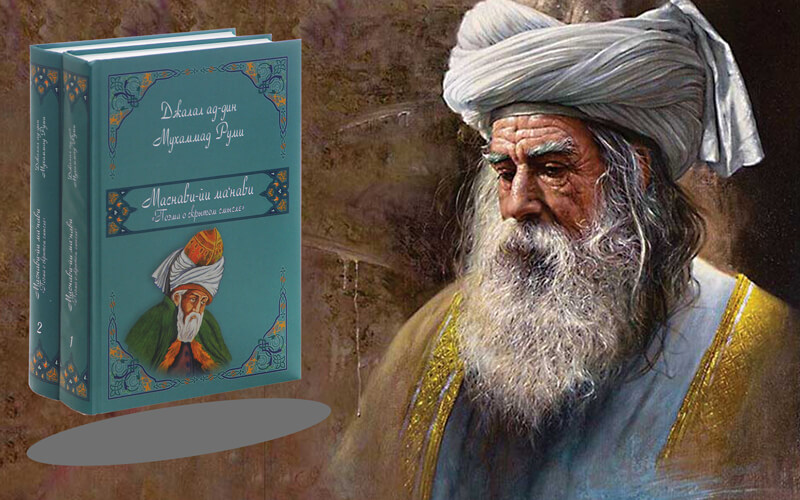
Rumi’s Personality: A Blend of Wisdom, Love, and Humility
Rumi’s personality was deeply spiritual, compassionate, and reflective. Unlike rigid scholars of his time, Rumi believed in expressing the divine truth through love. His connection with Shams Tabrizi, a wandering dervish, transformed his inner world and opened a new dimension of mystical experience.
📚 Maulana Jalaluddin Rumi’s Early Life and Education
Rumi was born into a scholarly family. His father, Bahauddin Walad, was a prominent theologian. At an early age, Rumi was exposed to Islamic sciences, logic, and philosophy. After migrating due to Mongol invasions, Rumi eventually settled in Konya, where he became a well-respected teacher and scholar.
🌟 The Turning Point: Meeting Shams Tabrizi
Rumi’s life took a transformative turn when he met Shams Tabrizi in 1244. Their intense spiritual companionship led Rumi away from formal scholarship toward the path of divine love and mystical poetry.
After Shams mysteriously disappeared, Rumi channeled his grief and ecstasy into poetry that still moves millions today.
📖 Maulana Jalaluddin Rumi’s Major Works
- Masnavi-e-Manavi – Often called the “Quran in Persian,” it contains deep Sufi teachings in poetic form.
- Divan-e-Shams-e-Tabrizi – A passionate collection of poems inspired by Shams.
- Fihi Ma Fihi – A prose work capturing his lectures and spiritual discourses.
💫 Maulana Jalaluddin Rumi’s Spiritual Teachings
Rumi’s poetry reflects themes of:
- Divine Love (Ishq-e-Haqiqi)
- Unity of Being (Wahdat-ul-Wujud)
- Self-Purification (Tazkiyah al-Nafs)
- Spiritual Journey (Sulook)
- Tolerance and Universal Brotherhood
“Come, come, whoever you are. Wanderer, worshipper, lover of leaving. It doesn’t matter. Ours is not a caravan of despair.” – Rumi
🌍Maulana Jalaluddin Rumi’s Global Influence
Today, Rumi is one of the most-read poets in the world, especially in the West. His works have been translated into dozens of languages, and his message of love beyond borders has resonated with people of all faiths.
His influence can be seen in:
- Modern spiritual movements
- Interfaith dialogue
- Poetry, music, and literature
🪶 Quotes that Reflect Maulana Jalaluddin Rumi’s Personality
- “What you seek is seeking you.”
- “Don’t grieve. Anything you lose comes round in another form.”
- “You were born with wings, why prefer to crawl through life?”
🏛️ Rumi’s Legacy: More Relevant Than Ever
Rumi died in 1273 in Konya, where his mausoleum still attracts millions of visitors every year. His followers formed the Mevlevi Order, famous for the whirling dervishes, a form of spiritual dance (Sama).
In a world often divided by hate, politics, and fear, Rumi’s message reminds us of the eternal power of love, unity, and spiritual awakening.
🧭 Conclusion
Maulana Jalaluddin Rumi was not just a poet or scholar—he was a bridge between the heart and the divine, between East and West, between the inner self and universal truth. His personality radiated love, humility, and depth, making him not only a spiritual guide for his time but an eternal voice for humanity. read more
One response to “Maulana Jalaluddin Rumi”
sativa edibles online designed for energy and productivity