
Sigmund Freud (1856–1939), often referred to as the father of psychoanalysis, was one of the most influential—and controversial—figures in the history of psychology. His groundbreaking theories on the unconscious mind, dream analysis, and the structure of personality laid the foundation for modern psychotherapy. Even today, Freudian psychology continues to influence literature, film, art, and clinical practice.
In this article, we’ll explore Freud’s life, his most famous theories, key contributions, and the ongoing debate about his legacy.
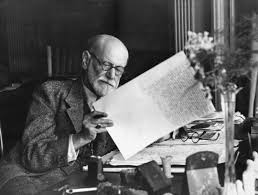
🧬 Who Was Sigmund Freud?
Born in Freiberg, Moravia (now part of the Czech Republic), Sigmund Freud studied medicine and neurology before turning to psychology. After years of working with patients suffering from hysteria and other neurotic disorders, Freud developed what would become psychoanalysis—a method for exploring the unconscious mind and treating mental illness.
Freud’s work was revolutionary in the late 19th and early 20th centuries, challenging prevailing ideas about human behavior, sexuality, and the self.
🔍 Sigmund Freud’s Key Theories
1. The Unconscious Mind
One of Freud’s most profound contributions is the idea that much of our behavior is driven by unconscious processes. According to Freud, the mind is divided into three parts:
- Conscious: What we’re aware of
- Preconscious: Memories that can be recalled
- Unconscious: Deep-seated drives and instincts
Freud believed that repressed thoughts, especially those related to childhood and sexuality, influence our actions and mental health.
2. The Id, Ego, and Superego
Freud’s structural model of the psyche includes:
- Id – The primal, instinctual drives (pleasure principle)
- Ego – The rational self (reality principle)
- Superego – The moral conscience (societal rules)
Mental health, Freud argued, depends on the balance between these three forces.
3. Psychosexual Development
Freud proposed that personality develops through a series of stages:
- Oral (0–1 yr)
- Anal (1–3 yrs)
- Phallic (3–6 yrs)
- Latency (6–12 yrs)
- Genital (12+ yrs)
Fixations or unresolved conflicts in these stages, he claimed, lead to neuroses in adulthood.
4. Dream Analysis
In his landmark book The Interpretation of Dreams (1900), Freud argued that dreams are the “royal road to the unconscious.” He believed dreams are symbolic expressions of repressed desires, particularly sexual and aggressive urges.
🧠 Sigmund Freud’s Psychology in Modern Therapy
Although many of Freud’s ideas have been revised or rejected, his influence on psychotherapy is undeniable. Concepts like talk therapy, free association, and transference are cornerstones of clinical psychology today.
Modern branches of therapy influenced by Freud include:
- Psychodynamic therapy
- Jungian therapy (developed by Carl Jung, Freud’s student)
- Object relations theory
Freud also paved the way for open discussion of mental health, childhood trauma, and sexuality—topics once considered taboo.
🧾 Controversies and Criticism of Sigmund Freud
Freud’s work has been heavily criticized for its:
- Lack of scientific rigor
- Overemphasis on sexuality
- Gender bias (e.g., “penis envy”)
- Use of case studies rather than empirical research
Nevertheless, Freud remains a towering figure in both psychology and the humanities.
🎬 Sigmund Freud’s Influence on Culture
Beyond psychology, Freud’s theories have shaped:
- Literature – Writers like James Joyce and Virginia Woolf
- Cinema – Filmmakers such as Alfred Hitchcock and David Lynch
- Art – Surrealist movements, including Salvador Dalí
- Pop culture – Terms like “Freudian slip,” “Oedipus complex,” and “anal-retentive” have entered everyday language
📚 Recommended Reading of Sigmund Freud
- The Interpretation of Dreams – Sigmund Freud
- Civilization and Its Discontents – Sigmund Freud
- Freud: A Life for Our Time – Peter Gay
- The Freud Reader – Edited by Peter Gay
(Consider adding internal links to in-depth articles on each of these books.)
🏁 Conclusion: Freud’s Legacy
More than 80 years after his death, Sigmund Freud remains one of the most iconic and debated figures in psychology. Whether you view him as a scientific pioneer or a cultural theorist, his work has left an indelible mark on how we think about the human mind. read more
2 responses to “Sigmund Freud”
The Phbetloginapp is a game-changer! Betting on the go is now super simple and convenient. Download the app and get started at phbetloginapp!
77qqslots, slots are my jam! Hoping for some high RTP ones and maybe a jackpot! Let’s spin and see what happens. 77qqslots