
Fatima Jinnah, widely known as Māder-e-Millat (Mother of the Nation), was a pioneering political leader, dental surgeon, and a central figure in the Pakistan Movement. As the sister of Muhammad Ali Jinnah, she played a vital role in the struggle for independence and later emerged as a voice of democracy in Pakistan. Her life is a powerful symbol of women’s empowerment and national service.
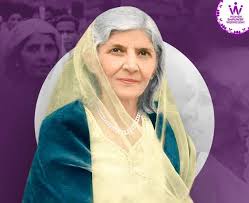
Early Life and Education of Fatima Jinnah
Fatima Jinnah was born on July 31, 1893, in Bombay, British India. She belonged to a Gujarati Muslim family and was the youngest of seven siblings. After the early death of her parents, she became particularly close to her elder brother, Muhammad Ali Jinnah.
- Education: Fatima Jinnah was one of the first Muslim women in British India to pursue higher education. She studied dentistry at the University of Calcutta and opened her own dental clinic in Bombay in 1923.
Role in the Pakistan Movement
Fatima Jinnah joined her brother in the All-India Muslim League and became an active participant in the Pakistan Movement. She played a critical role in:
- Organizing women’s groups and mobilizing female support.
- Supporting Muhammad Ali Jinnah emotionally and politically.
- Acting as a key advisor and confidante during crucial negotiations.
Her speeches and public appearances inspired thousands of women to step into the political arena at a time when women’s roles were highly restricted.
Life After Independence
After the creation of Pakistan in 1947, Fatima Jinnah initially withdrew from active politics following the death of her brother in 1948. However, the political turmoil and rise of authoritarianism led her back into the public eye.
- She strongly opposed the military regime of General Ayub Khan.
- In 1965, she ran for president of Pakistan as a candidate of a united opposition front. Though she lost under controversial circumstances, her campaign reignited democratic discourse in the country.
Legacy and Honors
Fatima Jinnah passed away on July 9, 1967, in Karachi under mysterious circumstances that still raise questions. Despite this, her legacy lives on:
- She is celebrated annually on her birth and death anniversaries.
- Numerous institutions, roads, and landmarks in Pakistan are named after her.
- Her contributions to women’s rights, democracy, and independence continue to inspire future generations.
Interesting Facts About Fatima Jinnah
- She authored a biography of her brother titled My Brother.
- She was multilingual, fluent in English, Urdu, and Gujarati.
- Known for her modest lifestyle, she remained committed to public service until her last days.
Why Fatima Jinnah Matters Today
Fatima Jinnah’s history isn’t just a part of textbooks—it’s a living lesson in courage, integrity, and leadership. As modern Pakistan grapples with political and social challenges, her vision for a democratic, inclusive nation remains more relevant than ever.
Conclusion
The history of Fatima Jinnah is deeply intertwined with the birth of Pakistan and its early challenges. As a dental surgeon, political leader, and advocate for democracy, she broke countless barriers in a male-dominated society. Today, she remains a timeless symbol of strength, patriotism, and resilience. read more